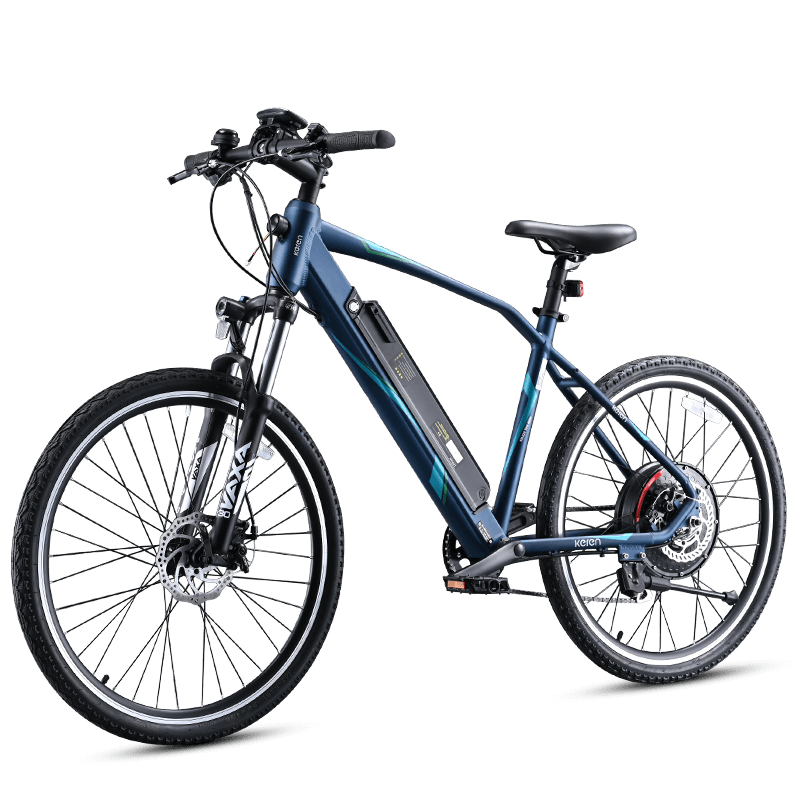
In the rapidly evolving world of electric mobility, the difference between a “budget” e-bike and a “premium” performance machine isn’t just the paint job or the battery size. The true distinction lies in how the bike communicates with the rider.
At Keren Electric, we have dedicated our engineering prowess to mastering torque sensor technology. While many manufacturers prioritize raw motor wattage, we understand that power without control is inefficiency. A torque sensor is not just a component; it is the “nervous system” of the bicycle.
In this article, we will explore the technical and practical importance of torque sensors and why they are indispensable for any serious rider.
Torque sensors improve the riding experience
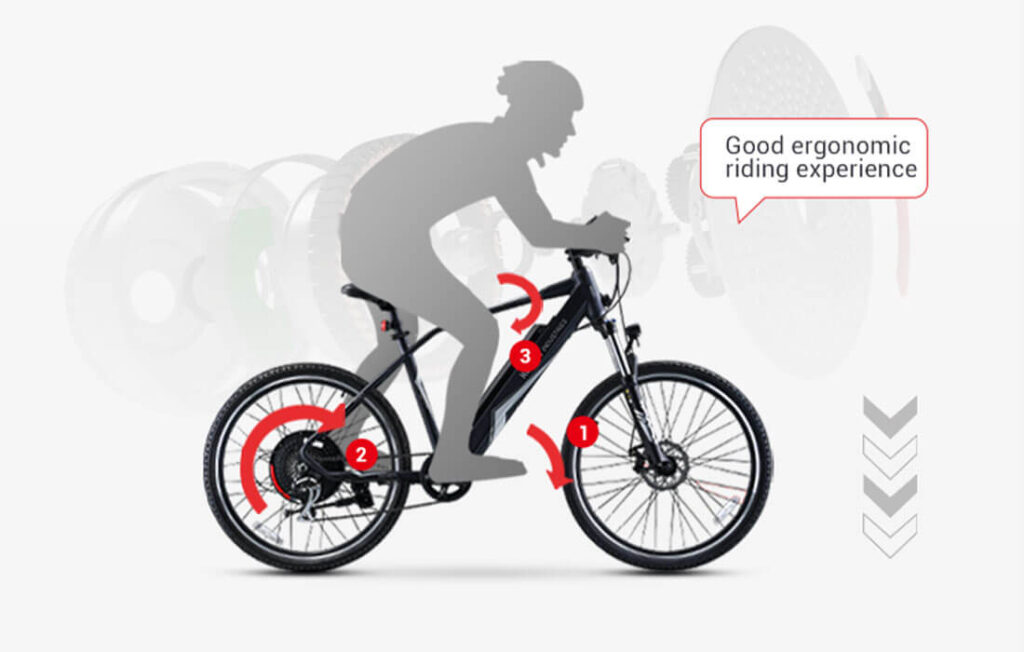
Torque sensors change the way riders experience e-bikes by creating a seamless connection between pedaling effort and motor support. Unlike simple speed-based systems, which only detect wheel movement, torque sensors measure the force applied to the pedals. This allows the motor to respond dynamically, delivering precisely the power required in response to rider input. The result is a ride that feels natural, controlled, and enjoyable, whether cruising down city streets or climbing steep hills.
Adaptive pedal assist
Torque sensors provide motor support proportional to the rider’s effort. Light pedaling activates minimal assistance, while hard pedaling generates more power. This adaptive system ensures that riders maintain a consistent cadence and reduces the need to adjust the assist level constantly. For example, when climbing a steep incline, the sensor detects the increasing force on the pedals and automatically provides additional motor power to help the rider maintain speed.
Smooth and predictable acceleration
One of the main benefits of torque sensors is the elimination of sudden motor surges. Acceleration becomes gradual and predictable, which is especially important in urban environments with heavy traffic or when starting from a stop. Riders experience a controlled boost without feeling like the motor pushes them too hard, making every ride safer and more comfortable.
Natural riding feel
Because torque sensors measure pedal force rather than just speed, the motor responds in a way that mimics natural cycling. Riders feel like the e-bike is an extension of their own strength. This intuitive feedback allows for better control and makes the e-bike feel less like a machine and more like a traditional bicycle with smart assistance.
Improved rider confidence
By providing proportional assistance, torque sensors give riders a sense of predictability and control. Beginners, older cyclists, and those tackling challenging terrain can pedal with confidence, knowing that the motor will respond appropriately. This reduces anxiety when navigating hills, uneven paths, or busy roads.
Energy efficiency and long rides
Torque sensors help save battery life by providing only the necessary motor assistance. Unlike basic pedal-assist systems that can continuously provide power regardless of effort, torque sensors ensure energy is used efficiently. E-bikes are perfect for commuting, long-distance riding, and leisure activities because they let riders go farther without worrying about running out of power.
Versatility in various terrains
Whether cycling on flat city streets, hilly suburban roads, or rough mountain trails, torque sensors adjust assistance based on pedaling force. This versatility ensures a smooth, easy ride in a variety of conditions. Riders can tackle steep inclines, sudden descents, or uneven trails with the motor’s constant assistance, increasing both comfort and efficiency.
Reduced rider fatigue
Since torque sensors assist in proportion to the rider’s effort, riders experience less physical strain, especially on long rides or on challenging terrain. Reduced fatigue encourages riders to cycle longer distances, enjoy longer outdoor activities, and maintain a more active lifestyle with less effort.
Precision at Zero Speed: Safety and Control
One of the most dangerous moments on an e-bike occurs when starting from a complete stop, especially in heavy traffic or on an incline.
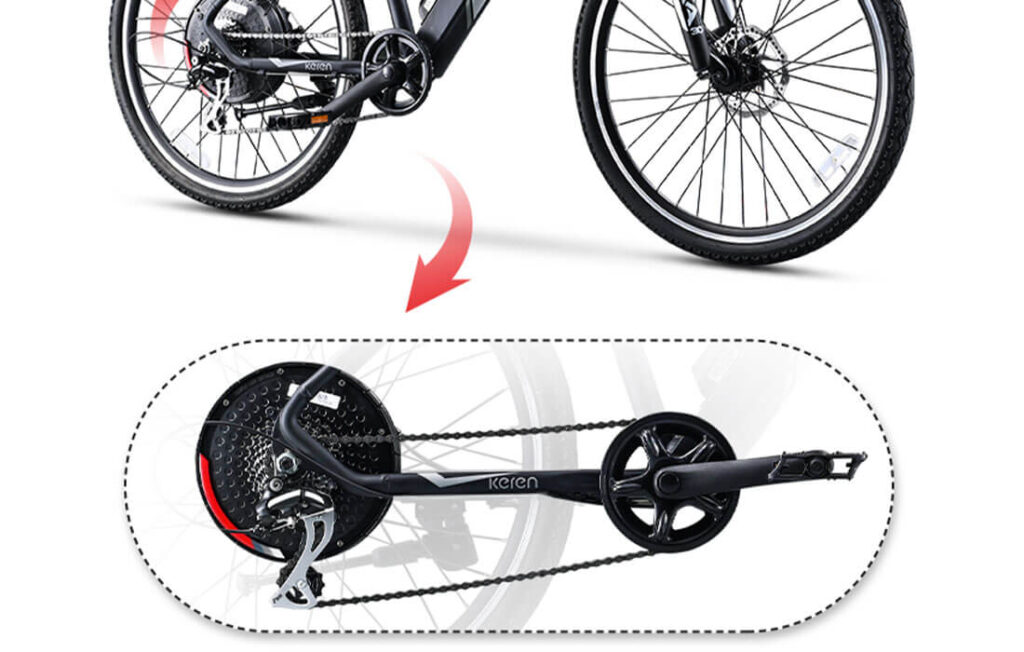
- The cadence problem: On a bike without a torque sensor, you must rotate the pedals (often 180 degrees or more) before the motor engages. This leads to a terrifying “dead zone” where you have no momentum and no help.
- The Keren torque solution: Our sensors detect static force. Even if the bike is stationary, the moment you put your foot on the pedal with intent, the sensor communicates that force to the controller.
This importance cannot be overstated: it provides the immediate “launch” needed to clear an intersection or maintain balance on a steep mountain trail.
Maximizing Battery Efficiency through Intelligence
One of the most persuasive arguments for torque-sensing technology is the dramatic increase in range and battery longevity.
In a standard e-bike, the motor often provides a fixed amount of power regardless of whether you are cruising on a flat road or fighting a headwind. This leads to massive energy waste.
Keren Electric’s torque sensors solve this through dynamic output
- On Flat Terrain: If you are pedaling lightly, the sensor tells the motor to scale back. You are doing the work, and the motor is merely “assisting.” This conserves Amp-hours (Ah) for when you truly need them.
- On Inclines: When the sensor detects a spike in your physical effort (increased torque), it instantly signals the controller to provide maximum wattage.
By only using the battery when the rider exerts force, our systems ensure that every watt-hour is utilized effectively, extending your travel distance by up to 20-30% compared to traditional systems.
The Health Perspective: Protecting the Rider
At Keren Electric, we don’t just build machines; we design for the human body. A common issue with low-quality e-bikes is the “surge” effect—where the motor kicks in suddenly, forcing the rider’s legs forward at an unnatural speed. Over time, this can lead to joint strain and muscle fatigue.
Protecting Your Knees
Our torque sensor assist system is specifically calibrated to protect your knees from the very first step. Because the power delivery is linear and mirrors your effort, there is no jarring impact on the patellar tendon or the ligaments.
The system provides a “soft start.” As you gradually increase your pressure, the motor gradually increases its support. This creates a healthy, aerobic exercise environment where you get the benefits of cycling without the destructive peak loads on your joints.
Conclusion: The importance of a torque sensor on an e-bike
If you are considering an e-bike, the sensor technology should be your first question. A bike without a torque sensor is a machine you have to manage; a bike with a Keren torque sensor is a partner that understands you.
The importance of the torque sensor lies in its ability to provide safety, efficiency, and superior ride quality, making every journey feel effortless.